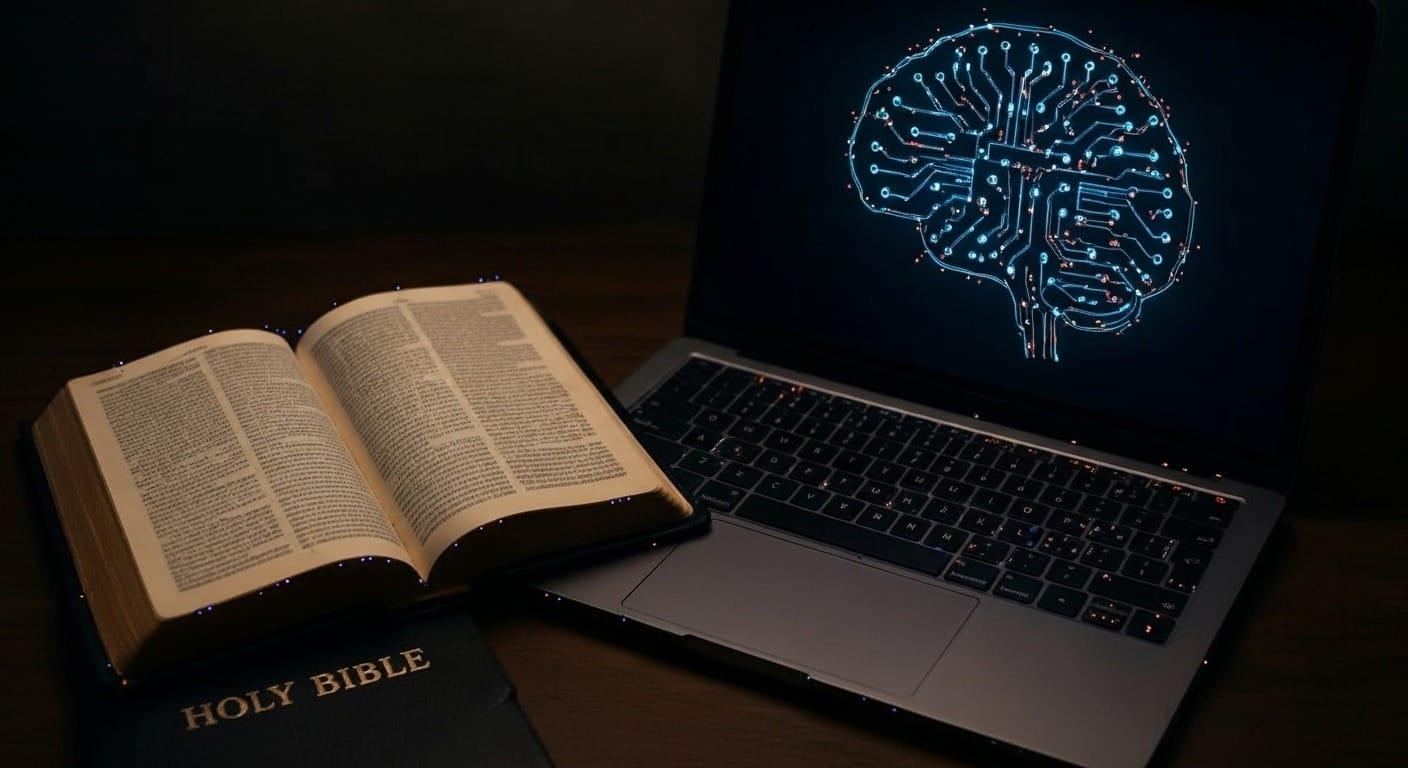
The other day I picked up a small book by Daniel Berrigan (1921-2016) priest, poet, and activist. Called Uncommon Prayer: A Book of Psalms, my eyes caught a chapter entitled “Your Word Is Born in Us.” It was Berrigan’s free flowing paraphrase of psalm 12 applied to his own time. (The book was published in 1978.) When I read his poetic re-shaping of the psalm, his almost 50-year-old text sounded as if it were written yesterday.
Because of this, I went to the psalm 12 scripture text written some 2000 years ago; my reaction was very similar. Once again, an ancient psalm revealed its relevance. Listen to some excerpts from the New American Bible translation (© 1978).:
“Help, O Lord…faithfulness has vanished…Everyone speaks falsehood to his neighbor; with smooth lips they speak, “Who is lord over us? And all about us this wicked world struts, and in high places are the basest of men.”
I find an odd kind of relief to realize that our own troubles today are new only in details, not their very substance. Our two sides of human nature, the God-seeking and the self-seeking, have been in conflict since their origin.
People my age remember well the struggles the world has had trying to control both the power and promise of atomic energy with its co-existing opposites of supreme danger and wonderful utility. Today artificial intelligence presents a similar challenge, a marvelous invention that has the potential to eventually overwhelm human control.
What does this have to do with the two sides of human nature? A lot, I think. AI is a new field in which those who are primarily self-centered can accumulate immense power and money while cloaking in mystery its huge negative, even dangerous aspects. Powerbrokers can maintain control, overwhelming any resistance from people who see the inhumane aspects. In his new, very readable document on humanity and artificial intelligence Magnifica Humanitas (“Magnificent Humanity,” published May, 2026) Pope Leo quotes a 20th century spiritual writer, Romano Giardini to say: “‘Contemporary man has not been trained to use power well’ “. I think we are seeing many examples of this all around us today. From bullies in school to internet manipulators to political office holders, the focus on self and disregard for others infiltrates the total environment.
But there is hope. Pope Leo points out in his AI document that history gives us not only a record of violence, but one showing that “humanity is capable of creating institutions that protect our shared life.” Among his multiple examples he points out the founding of the Red Cross, the abolition of slavery, the establishment of the United Nations, and the Universal Declaration of Human Rights. In each case the desire for good succeeded in limiting the abuse of power only after great struggle trying to defend the vulnerable. “Moral progress almost always unfolds through a long and demanding journey, often marked by setbacks.”
It is in this context that Pope Leo also quotes Saint Augustine’s description of human history as a struggle between two loves, which give rise to two ways of inhabiting the world and living together. “On the one hand, the love of God and neighbor; on the other, the exclusive love of self.”
Are there any signs today that people of good will are fighting back? Definitely! In our country, for example, from coast to coast individuals, small groups, and large crowds are gathering to protest what they see as governmental power that ignores the ordinary people it was meant to serve. Besides ongoing use of force against migrants and media, the latest spreading protests seem to be against tools that serve AI, especially data centers that immediately cost citizens much more than some future promises.
St. Augustine talks about inhabiting the world together. American bishops have joined the resistance to AI’s inhumanity. After meeting with AI executives, they formed a task force to deal with AI and other moral issues re media. In addition to national groups, individuals can develop their personal resistance against the inbred tendency to favor themselves despite detriment of others. Everyone has the potential to try to expand their understanding of “who is my neighbor?” One more thing is that all of us can pray that creators and users of any new invention or discovery include concern for the wellbeing of humanity as future developments arise.